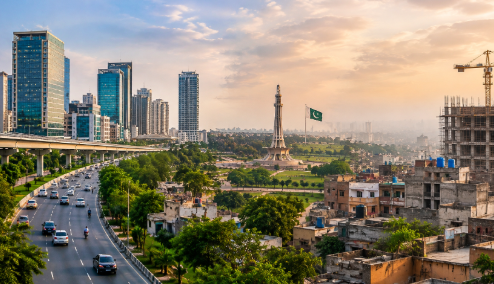

Pakistan’s cities are changing faster than ever. New housing schemes, expanding roads, shopping centres and digital services are reshaping how people live, work and travel. This growth reflects opportunity, but it also puts pressure on infrastructure and public services. Urban development in Pakistan now needs careful, sustainable planning so that cities stay livable for future generations.
Access to reliable information and public-interest discussions also plays an important role in understanding these changes, with platforms like Asian Burg highlighting social, environmental, and developmental issues shaping Pakistan.
The Changing Urban Landscape of Pakistan
Pakistan’s cities are growing steadily as more people move from rural areas in search of jobs, education and healthcare. This migration, combined with natural population growth, is pushing city limits outward.
Lahore, Karachi, Islamabad and Faisalabad show this shift clearly. Karachi remains the country’s commercial hub, while Lahore continues to expand through new housing and business districts. Islamabad is growing beyond its original master plan, and Faisalabad is strengthening its role as an industrial centre. Across all of them, residential and commercial developments are multiplying, changing skylines and lifestyles alike.
Key Challenges Facing Pakistan’s Cities
Rapid growth has brought real challenges that cities can no longer postpone.
Traffic and transport. Rising vehicle numbers and limited public transport have made congestion part of daily life, costing commuters time and money.
Housing shortages and unplanned settlements. Demand for affordable homes exceeds supply. As a result, informal settlements often grow without proper roads, sewage systems or legal protection.
Air pollution and environmental degradation. Vehicle emissions, construction dust and industrial activity affect air quality, especially in winter. The loss of trees and open land adds to the strain.
Water, sanitation and waste management. Many neighbourhoods struggle with uneven water supply, ageing drainage and inadequate waste collection. These gaps affect public health and quality of life.
See also: Bulk Perfume Oils & Essential Oils Supplier in Pakistan | Bellmore
Opportunities for Sustainable Urban Development
Each challenge also points to an opportunity, and several are within reach.
Better planning and infrastructure. Clear zoning, enforced building regulations and long-term master plans can guide growth instead of reacting to it.
Affordable housing and public transport. Well-designed low-cost housing and reliable bus and rail networks can reduce both congestion and inequality, connecting people to jobs and services.
Smart city initiatives and digital services. Online services for utility bills, permits and complaints can make city management more transparent and efficient. Data-driven tools can also help authorities manage traffic, waste and energy more effectively.
Green spaces and environmental protection. Parks, urban forests and protected open areas improve air quality, reduce heat and give residents places to gather. Sustainable construction practices can lower environmental damage as cities expand.
The Role of Government and Public Awareness
Good urban development depends on cooperation. Governments set the direction through effective policies, consistent enforcement and investment in public infrastructure. Transparency matters too, since residents are more likely to support projects when they understand the plan and the reasons behind it.
Citizens and communities also have a part to play. Following building rules, reducing waste, conserving water and taking part in local decision-making all make a difference. Public awareness campaigns, schools and local media can help people see how daily choices affect the wider city. Readers who want to follow these issues more closely can turn to a credible news source for ongoing coverage of Pakistan’s social and developmental stories. When government and communities work together, urban policies are more likely to succeed and last.
Conclusion: Building Better Cities for the Future
Pakistan’s urban growth is not a problem to be stopped but a process to be guided. Traffic, housing, pollution and basic services are serious concerns, yet they can be addressed through sustainable planning, steady investment and shared responsibility.
If policymakers, planners and citizens act together, Pakistan’s cities can become more inclusive, greener and better connected. The choices made today will decide whether the urban landscape of tomorrow supports a high quality of life for everyone.