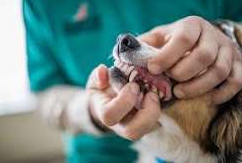

You may not notice a dental problem in your pet right away, which is why seeing an Acworth veterinarian can make a big difference. Most dogs and cats keep eating, playing, and acting normal even when their mouth hurts. The first sign is often bad breath, and many people brush that off as just part of having a pet. Then it turns into red gums, loose teeth, trouble chewing, or a pet that pulls away when you touch their face. By that point, the problem has usually been there for a while.
That is why the importance of dental care at veterinary hospitals goes far beyond a cleaner smile. Dental disease can cause pain, infection, tooth loss, and damage that reaches other parts of the body. Regular exams, professional cleanings, and treatment for hidden problems protect your pet’s comfort and health in a way home care alone cannot.
Veterinary dental care catches problems you cannot see at home
Dental disease often starts below the gumline, where you cannot see it. Plaque hardens into tartar, bacteria settle in, and inflammation spreads. A pet may still finish dinner and beg for treats, which makes it easy to assume everything is fine. The mouth tells a different story.
According to Texas A&M’s overview of why pet dental care is important, oral disease is common and can lead to pain and infection that affect daily life. That matters because pets do not explain discomfort the way people do. They adapt. They chew on one side, swallow food whole, stop playing with certain toys, or become quieter. You see a behavior change. A veterinary team sees a medical issue that needs treatment.
Pet dental health also affects more than the mouth. Bacteria from untreated periodontal disease can enter the bloodstream. That raises concern for organs such as the heart, liver, and kidneys. Not every pet with dental disease develops those complications, but the risk is real enough that prevention matters.
Dental care at a veterinary hospital provides treatment home care cannot replace
Brushing your pet’s teeth helps. Dental chews can help. Water additives and special diets may reduce plaque in some cases. None of those options remove tartar under the gums or diagnose a cracked tooth, oral mass, or root infection. That is where a veterinary hospital changes the outcome.
A proper dental procedure includes an exam, cleaning above and below the gumline, and dental X rays when needed. Cornell’s dentistry and oral surgery service explains how veterinary dentistry and oral surgery addresses hidden disease, fractured teeth, periodontal problems, and oral pain that are not always obvious during a basic look inside the mouth.
This is often the point where people worry about cost or anesthesia. Those concerns are understandable. No one wants to put their pet through a procedure unless it is truly needed. The harder truth is that waiting usually makes treatment more involved. A mild tartar buildup may need a routine cleaning. A long delayed problem may need extractions, pain medicine, antibiotics, and more follow-up care. Delaying care rarely saves money when disease keeps progressing.
Professional pet oral health care reduces pain and long term risk
Dental pain changes a pet’s quality of life in quiet ways. A dog that once loved tug toys stops grabbing them. A cat starts dropping kibble or grooming less. Some pets become irritable, not because their personality changed, but because their mouth hurts every day.
Rowan’s report on advances in pet dental health and veterinary dentistry reflects a wider understanding in animal medicine that oral care is a routine part of whole body care, not an extra. That shift matters for owners because it reframes dental visits as preventive medicine rather than cosmetic care.
Animal dental care at a veterinary hospital also gives you a clearer plan. Instead of guessing whether bad breath is harmless, you get an exam, findings, and treatment options based on your pet’s age, breed, and health status. Small breed dogs, flat faced breeds, and older pets often need closer monitoring because they are more prone to oral disease.
Home dental care and veterinary dental treatment serve different roles
| Approach | What It Helps With | Limits |
|---|---|---|
| Tooth brushing at home | Reduces plaque on visible tooth surfaces, supports daily prevention | Does not clean under the gums or diagnose disease |
| Dental chews or dental diets | May reduce plaque and tartar buildup in some pets | Results vary, does not treat infection, fractures, or loose teeth |
| Routine veterinary oral exam | Finds early signs of gum disease, pain, masses, and broken teeth | Some disease still stays hidden without imaging or a full dental procedure |
| Professional dental cleaning at a veterinary hospital | Cleans above and below the gumline, allows full assessment and treatment planning | Requires scheduling, cost, and often anesthesia |
| Advanced veterinary dental treatment | Addresses extractions, oral surgery, root problems, and severe periodontal disease | More involved when care has been delayed |
The best outcomes usually come from combining both. Home care slows buildup between visits. Veterinary treatment handles what you cannot safely or fully manage on your own.
Small steps now can prevent bigger dental problems later
Start with your pet’s current signs. Check for bad breath, red gums, drooling, pawing at the mouth, chewing on one side, dropping food, or a change in mood. These signs do not prove severe disease, but they do justify a veterinary exam.
Build a simple home dental routine. If your pet tolerates it, use a pet safe toothbrush and toothpaste a few times a week, ideally daily. If brushing is a struggle, ask your veterinary team about dental wipes, approved chews, or diets that fit your pet’s needs. Consistency matters more than perfection.
Schedule regular professional dental evaluations. A veterinary hospital can tell you whether your pet needs monitoring, a cleaning, dental X rays, or treatment for pain and infection. That gives you a plan before a small problem turns into a painful one.
Your pet depends on you to notice the quiet signs, and dental disease is one of the easiest problems to miss until it becomes serious. Good dental care protects comfort, appetite, and overall health. A veterinary hospital can help you catch issues early, treat hidden pain, and keep your pet feeling like themselves for longer.