ByJohn A
What Is an Altcoin?
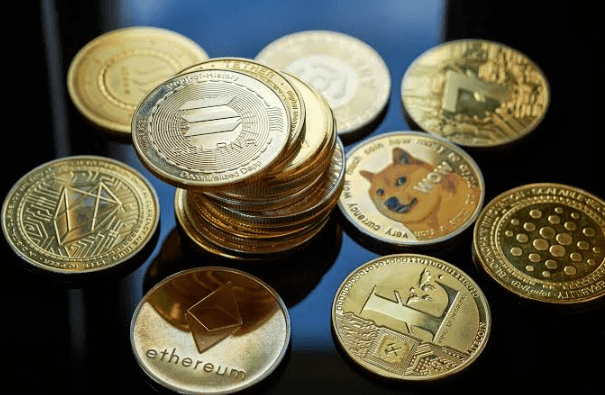
An altcoin is any cryptocurrency that is not Bitcoin, emerging from varied design goals and governance models. They differ in consensus methods, issuance policies, and upgrade paths, which affects risk and incentives. Common aims include faster transactions, privacy enhancements, smart contracts, or on-chain governance. Evaluating an altcoin requires skepticism about hype, scrutiny of fundamentals, and attention to transparency, security, and real-world adoption. The landscape remains volatile, and what matters may hinge on fragile promises and practical constraints.
What Is an Altcoin, Exactly?
An altcoin is any cryptocurrency other than Bitcoin. In this framing, altcoin definitions vary by ecosystem goals, technical standards, and governance models. The term presumes plural markets, yet scrutiny reveals heterogeneous value drivers. Token dynamics, including supply schedules, incentives, and utility, influence adoption more than branding. Critics urge precise labeling to prevent conflating aims with intrinsic worth or security.
How Altcoins Differ From Bitcoin
Bitcoin anchors the class, but altcoins diverge in goals, design, and governance. They differ in mechanism—consensus, issuance, and upgrade paths—producing varied incentives and risk profiles. The term altcoin governance describes how decisions are made beyond Bitcoin’s model, while token economics explains supply curves, burn/mint schedules, and incentive design. Critics flag centralization risks, speculative cycles, and unfinished interoperability across ecosystems.
Common Altcoin Purposes: Speed, Privacy, Smart Contracts, Governance
Common altcoins pursue distinct core functions—speed, privacy, smart contracts, and governance—that reflect varied design goals and economic incentives. They often emphasize velocity comparisons to illustrate throughput versus decentralization, while privacy-focused options confront inherent privacy tradeoffs and auditability concerns.
Smart-contract platforms foreground programmability with security challenges, and governance tokens seek on-chain participation, yet practical decision dynamics remain contested and context-dependent for freedom-minded users.
See also: How Technology Is Advancing Environmental Monitoring
How to Evaluate an Altcoin: Risks, Opportunities, and Criteria
Altcoin evaluation requires separating hype from fundamentals, assessing risks alongside opportunities, and applying clear criteria rather than relying on general impressions of speed, privacy, or programmability.
It emphasizes risk assessment alongside potential gains, weighing market catalysts, governance models, and technical risk.
Scrutiny extends to user adoption, security considerations, and governance transparency, ensuring disciplined decisions in a volatile, freedom-seeking landscape.
Conclusion
Altcoins represent a spectrum of innovation and risk, not a monolith. They diverge from Bitcoin in purpose, timing, and governance, yet share the same volatile landscape. They promise speed, privacy, smart contracts, or on-chain decisions, while courting liquidity, security, and clear incentives. Investors should weigh fundamentals, execution risk, and disclosure. Opportunistic gains tempt, but skepticism remains essential; hype often masks complexity, and success hinges on real utility, disciplined development, and transparent governance over speculative fervor.