ByJohn A
How Dentists Restore Teeth That Are Both Worn And Discolored
You see it in the mirror before anyone else does. Your teeth look shorter than they used to, the edges seem uneven, and the color no longer responds to whitening strips or better brushing. Eating may feel different too. Cold drinks sting, rough edges catch your tongue, and smiling in photos starts to feel like work. When teeth are both worn and stained, the problem is not just cosmetic. It often affects comfort, bite, and confidence at the same time. In some cases, patients exploring solutions like dental implants in North Houston are also looking for ways to restore worn, stained teeth.
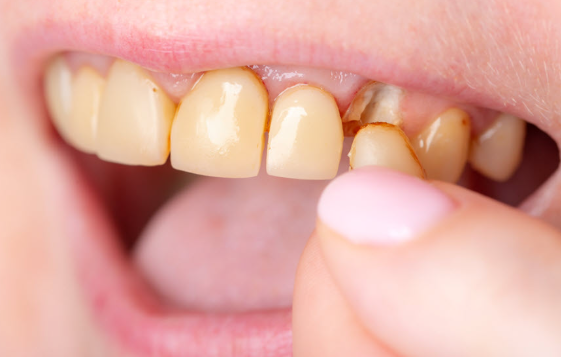
A cosmetic and restorative dentist looks at both issues together because worn enamel and discoloration often come from the same cycle. Grinding, acid erosion, old fillings, trauma, and age can thin the enamel, exposing darker tooth structure underneath. That is why teeth can look yellow, gray, flat, or chipped all at once. The goal is not to make teeth look fake or too white. It is to rebuild strength, shape, and color in a way that fits your face and bite.
Worn and discolored teeth usually need more than whitening
Many people start with whitening because color is what they notice first. The problem is that whitening does not rebuild enamel, lengthen teeth, or fix cracks and bite wear. If the stain is deep, or if the darker shade comes from exposed dentin under worn enamel, bleaching may only bring a small change. That can feel frustrating, especially after spending money and seeing little payoff.
Tooth wear also tends to build slowly, which makes it easy to miss until the changes are obvious. You may have started clenching during sleep years ago. You may sip acidic drinks all day, deal with reflux, or have old dental work that no longer matches the surrounding teeth. Tooth disorders can involve decay, injury, enamel loss, and structural damage, and those issues often overlap. A tooth that looks stained may actually be worn, weakened, or both.
That is why treatment planning starts with the cause. If grinding is still active, fresh restorations can chip or wear down again. If acid erosion is part of the picture, the surface has to be protected before color and shape are rebuilt. If a tooth has old damage or deep internal discoloration, the material choice matters.
Restoring worn teeth and correcting discoloration often happens in layers
Dentists usually restore these cases by deciding what can be preserved and what needs coverage. Mild wear with surface staining may respond to bonding, enamel reshaping, and whitening. Moderate wear often needs composite bonding or porcelain veneers to rebuild the front teeth. Heavier wear on the back teeth may call for onlays or crowns so the bite can be supported again.
Restoring worn teeth and correcting discoloration is often a mix of function and appearance. Front teeth matter most when you smile, but back teeth carry the force. If the bite has collapsed from years of wear, making the front teeth prettier without stabilizing the molars can create a short-lived result. In those cases, a dentist may rebuild the bite first, sometimes with temporary restorations, then refine the final shape and shade.
Materials matter too. Composite bonding is more conservative and usually costs less upfront. It can repair chips, close small gaps, and improve color in one visit, though it may stain or wear faster over time. Porcelain is more stain resistant and can create a more stable shape and color, but it usually requires more planning and a higher investment. When teeth have cavities or failing restorations, dentists may also use fillings or indirect restorations. The National Institute of Dental and Craniofacial Research explains the role of dental fillings in repairing damaged teeth and restoring structure.
Professional treatment gives worn and stained teeth a clearer path forward
You may be tempted to patch the problem at home with whitening kits, contouring devices sold online, or store bought guards. That can backfire. Whitening can increase sensitivity in worn teeth. DIY filing removes tooth structure that does not grow back. A poor-fitting night guard can feel protective while allowing harmful bite pressure to continue.
| Option | What It Can Help | Main Limits | Best Fit |
| Whitening products | Surface stains and mild yellowing | Does not rebuild worn edges, may worsen sensitivity | Teeth with healthy enamel and limited wear |
| Composite bonding | Color correction, chips, small shape changes | Can stain or chip over time | Mild to moderate wear and visible front teeth |
| Porcelain veneers | Shape, color, symmetry, moderate front tooth wear | Higher cost, not ideal for every bite pattern | Front teeth with cosmetic and structural concerns |
| Crowns or onlays | Heavier wear, cracks, weakened teeth, bite support | More involved treatment | Teeth needing stronger coverage |
| Night guard after treatment | Protects restorations from grinding | Does not change tooth color or shape by itself | Patients who clench or grind |
If pain, sensitivity, swelling, or signs of infection are present, treatment may need to move faster. MedlinePlus outlines when emergency dental care is needed, especially after trauma, severe pain, or sudden damage. A tooth that is both dark and worn can sometimes signal a deeper problem than appearance alone.
Small steps now can protect your options later
Book a wear and discoloration evaluation. Ask for a full exam that checks bite wear, enamel loss, old restorations, gum health, and shade changes. Photos and X rays help show whether the issue is mostly external staining, structural wear, or internal discoloration.
Track the patterns that may be causing the damage. Morning jaw soreness, headaches, cheek biting, reflux, soda, sports drinks, and frequent snacking all matter. These details help explain why the teeth changed and how to keep new dental work from failing.
Ask for a phased treatment plan. You do not always need to do everything at once. Many patients start by protecting the bite, repairing the worst damage, and improving the most visible teeth first. A phased plan makes the cost easier to manage and gives you a clear path instead of one huge decision.
A healthy bite and a natural color can be rebuilt
Teeth that are worn and discolored can make you feel older, self-conscious, and tired of trying fixes that do not last. There is a reason those quick fixes have not solved it. Tooth wear treatment and color correction work best when they are planned together, with the bite, the enamel, and the final appearance all considered at once.
If your teeth look shorter, darker, or more damaged than they used to, schedule a visit with a cosmetic and restorative dentist and get a plan that fits the real problem. The right treatment can restore comfort, protect your teeth, and give you a smile that looks like you again.