
Your pet is in the hospital, not eating, and now you are hearing terms that sound cold and technical when all you want is for them to feel safe and start getting stronger. That moment can hit hard. You may be trying to sort out whether a feeding tube means things are getting worse, whether it will hurt, and whether one option is safer than another. If you are also thinking ahead about ongoing care, including pet checkups in Surrey, you are not alone.
When veterinarians compare nasogastric and esophagostomy tubes, they are usually deciding how to get calories, water, and medication into a pet that cannot or should not eat enough on their own. Both options can help a dog or cat recover. The right choice often comes down to how long nutritional support is needed, whether anesthesia is safe, and how much support the pet needs day to day.
Feeding tubes for pets are often a bridge to recovery
A pet that stops eating for even a short time can get weaker fast. Cats are especially vulnerable because poor intake can push them toward liver problems, and dogs can lose muscle and energy when they are already fighting illness. Hospital stays make this harder. Pain, nausea, stress, dental disease, pancreatitis, trauma, and surgery can all shut down appetite.
This is where feeding tubes for pets can change the course of care. They do not replace treatment for the underlying disease. They buy time and protect the body while that treatment starts working. Good nutrition supports wound healing, immune function, and strength. Tufts Veterinary Nutrition explains why assisted feeding is often a practical medical tool, not a last resort, in its nutrition FAQ for pet owners.
You might be picturing a tube as dramatic or harsh. In practice, many pets tolerate them better than owners expect. Once nausea and pain are controlled, regular feeding can actually make a pet more comfortable because the body is no longer running on empty.
Nasogastric tubes fit short term nutritional support
A nasogastric tube passes through the nose and down into the stomach. It is usually placed with the pet awake or lightly sedated, which matters when anesthesia is risky. Placement is fairly quick, and that makes it useful for pets who need support right away.
This option works best for short term use. A cat with severe nausea from kidney disease, a dog recovering from a bout of pancreatitis, or a pet that needs a few days of calories while the care team stabilizes another problem may be a good candidate. These tubes are small, so feedings need to be in liquid form and given in smaller amounts. They can also be easier for a pet to dislodge if they paw at the face or become restless.
The main appeal is speed and lower procedural burden. The tradeoff is comfort and capacity. If your pet is likely to need nutrition support for more than several days, this may stop being the best fit.
Esophagostomy tubes offer more durable support for hospitalized pets
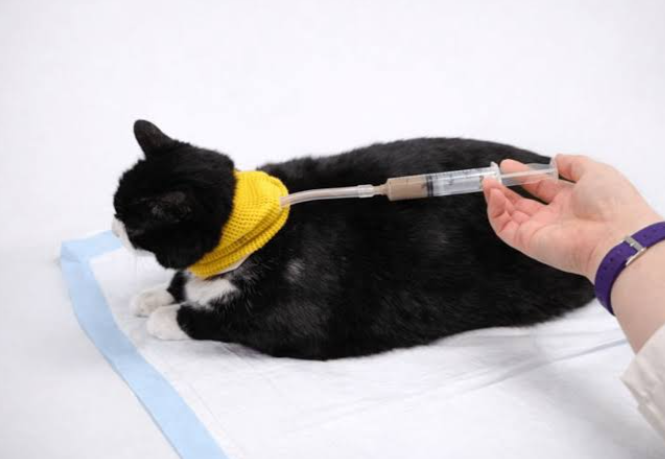
An esophagostomy tube is placed through the side of the neck into the esophagus. It usually requires anesthesia or heavier sedation, so the care team has to weigh that risk. Once in place, it is often easier to manage for medium term feeding, and many pets go home with one if they still need help eating.
These tubes are wider than nasogastric tubes. That allows thicker diets, larger feeding volumes, and easier medication delivery. They are often more comfortable for longer use because nothing sits in the nose. Owners also tend to find home feeding more manageable with an esophagostomy tube once they are shown the routine.
The tradeoff is that placement is a bigger procedure and the stoma site on the neck needs cleaning and monitoring. There is also a visible tube, bandage care, and follow up. If you are already stretched thin, that can feel like a lot. Still, for pets needing days to weeks of support, an esophagostomy tube vs nasogastric tube discussion often leans toward the neck tube because it is more practical over time.
Practical differences between nasogastric and esophagostomy tubes
| Feature | Nasogastric Tube | Esophagostomy Tube |
|---|---|---|
| Typical use | Short term support, often a few days | Medium term support, often days to weeks |
| Placement | Usually awake or lightly sedated | Usually requires anesthesia or heavier sedation |
| Tube size | Small, limited to liquid diets | Larger, allows blended recovery diets and easier medications |
| Comfort | Can bother the nose or face | Often better tolerated for longer periods |
| Risk of removal | More likely to be pawed out or displaced | More secure when bandaged and cared for properly |
| Home care | Less common for longer home use | Common choice for discharge with ongoing support |
Veterinary nutrition guidance and hospital protocols support early assisted feeding when a pet cannot meet calorie needs on their own. The University of Tennessee proceedings on clinical nutrition and assisted feeding outline how tube choice depends on disease, expected duration, and patient stability. You can review that in these veterinary nutrition proceedings.
If your pet is struggling with repeated vomiting, facial trauma, severe nasal disease, or a high risk of pulling at the face, a nasogastric tube may be less practical. If anesthesia is too risky today, an esophagostomy tube may need to wait. That is why there is no single winner in nasogastric vs feeding tube options for pets. The better question is which tube matches your pet’s medical picture right now.
Clear steps help you make sense of the decision
Ask about the expected timeline. Start with duration. If the team expects only a few days of support, a nasal tube may be enough. If they expect a week or more, ask whether an esophagostomy tube would reduce stress, improve calorie delivery, and make discharge easier.
Ask what your pet will need each day. Find out what food will go through the tube, how often feedings happen, whether medications can go through it, and what signs mean the plan is not working. This turns a vague idea into a routine you can picture.
Ask for a home care demonstration before discharge. If your pet may go home with a tube, ask the staff to show you feeding, flushing, bandage care, and how to spot clogging or redness. Hands on teaching cuts down fear fast and helps you avoid mistakes.
The right tube is the one that supports healing with the least strain
You do not need to master every technical detail to make a good decision. You need a clear sense of what your pet needs now, what the next few days may look like, and which option gives them nutrition with the least added burden. A nasal tube can be the right quick bridge. An esophagostomy tube can be the steadier path when recovery will take longer. Both are tools used by an animal hospital to help a pet heal when eating has become one more thing the body cannot manage alone.
If your pet is hospitalized and not eating, ask the care team to walk you through the pros and cons of each tube in plain language and show you how the plan fits your pet’s condition.