ByJohn A
How Animal Hospitals Create Fear Free Experiences For Pets
You know the signs before you even leave the house. Your dog hides when the carrier comes out. Your cat goes still, then sharp, then impossible to coax out from under the bed. By the time you reach the parking lot at a Rancho Cucamonga pet hospital, your pet is already overwhelmed, and you are carrying that stress right along with them. A vet visit can feel like too much for everyone involved, even when you know the care matters.
That tension is exactly why more clinics are changing the way they handle exams, waiting rooms, sounds, smells, and restraint. How Animal Hospitals Create Fear Free Experiences For Pets comes down to one idea. Medical care works better when pets feel safer. A calmer visit can mean easier exams, clearer answers, fewer delays, and less dread the next time you need help from an animal hospital.
Fear free veterinary care starts with stress, not stubbornness
A scared pet is not being difficult. They are reacting to noise, unfamiliar people, strange surfaces, strong scents, and handling they do not understand. What looks like resistance is often panic. That matters because a frightened pet may pant, tremble, vocalize, try to escape, or freeze completely. Those reactions can affect heart rate, temperature, blood pressure, and even how pain shows up during the exam.
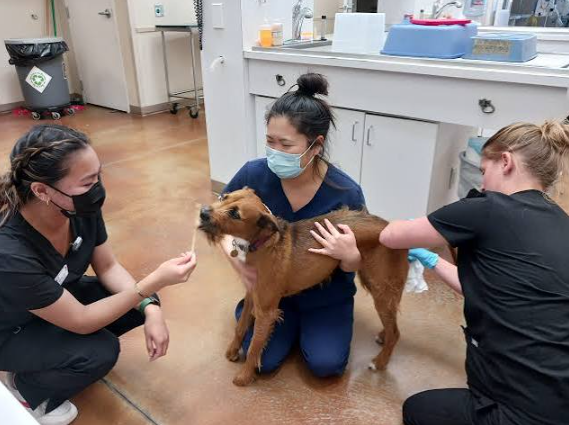
Hospitals that focus on fear free veterinary care change the environment before they ever touch your pet. They may separate dogs and cats in the lobby, move patients into exam rooms faster, use quieter voices, place non slip mats on tables, and offer treats during handling. They may also schedule longer appointments for anxious pets so the team does not have to rush through fear.
The difference is not cosmetic. It changes what care is possible. A dog that would normally need heavy restraint for an ear exam may allow gentle handling with food and a slow approach. A cat that panics in a crowded waiting room may settle in a covered carrier placed in a quiet space. Cornell offers helpful guidance on making veterinary visits less stressful for dogs, and many of the same principles apply across species.
See also: Renting Versus Owning a Trade Show Booth
Low stress pet visits protect health and reduce missed care
When pets fear the clinic, families often postpone routine care. Vaccines get pushed back. Skin problems linger. Dental pain becomes normal because no one wants to repeat the last appointment. That delay can turn a manageable issue into a larger one, with more discomfort for your pet and higher costs for you.
Stress also narrows what your veterinary team can learn in the room. If your pet is thrashing or shut down, it becomes harder to listen to the heart, examine a sore leg, or collect samples without adding more fear. In some cases, the kindest plan is to pause, adjust the approach, or use medication before the next visit. Texas A&M discusses common stressful situations for pets, which helps explain why a clinic visit can trigger such a strong response.
Stress free vet visits are not about making every appointment perfect. They are about reducing triggers enough that your pet can cope. Sometimes that means pre visit medication. Sometimes it means training your dog to step onto a scale at home, or helping your cat build a better association with the carrier long before the appointment day.
Animal hospitals use clear changes that pets can feel
Fear free methods are often simple, but they are intentional. Staff members may approach from the side instead of leaning over your pet. They may examine your dog on the floor if the table adds fear. They may let your cat stay in the bottom half of the carrier for part of the exam. Towels, treats, pheromone sprays, quiet rooms, and breaks during handling all serve the same purpose. They lower the pet’s sense of threat.
Some hospitals also coach owners ahead of time. You may be asked not to feed breakfast so treats have more value. You may be offered a quieter arrival plan, where you call from the car and go straight into a room. Ohio State shares practical advice on reducing stress for pets, and those home habits often make clinic visits easier too.
Common veterinary visit approaches and their effect on pets
| Approach | What it looks like | Likely effect on the pet | What it can mean for care |
|---|---|---|---|
| Traditional fast paced visit | Busy lobby, quick handling, firm restraint, limited breaks | Higher fear, struggle, freezing, vocalizing | Harder exam, less accurate baseline readings, more negative memories |
| Low stress handling | Quiet room, slower pace, treats, gentle positioning, fewer triggers | Better tolerance, less escalation, more trust | Smoother exam, easier sample collection, safer visit |
| Pre visit support with medication or training | Practice at home, carrier work, calming plan before arrival | Lower arousal before the visit even starts | More complete care for pets with a history of severe anxiety |
Small steps at home can make animal hospital visits easier
Build better carrier and car associations. Leave the carrier out at home with bedding and treats inside. Feed near it, then in it. Take short car rides that do not end at the clinic. If every ride ends with needles and restraint, your pet learns the pattern fast.
Ask for a fear reduction plan before the appointment. Tell the hospital what happened last time. Be specific. Did your dog panic in the lobby, or did your cat shut down during handling? Clinics can often adjust timing, room placement, handling style, and, when appropriate, prescribe pre visit medication.
Practice handling in tiny doses. Touch paws, ears, mouth, and shoulders at home, then reward right away. Keep it brief. You are not forcing tolerance. You are teaching your pet that being handled predicts something good. That foundation supports every future vet visit.
Calmer care helps pets and owners return with less fear
No pet will love every exam, and no owner walks into a health concern feeling relaxed. Still, a thoughtful clinic can lower the fear enough that care becomes possible without the spiral you may be used to. That is the real value in how animal hospitals create fear free experiences for pets. Less panic, better medicine, and a visit your pet does not have to recover from for days.
If your pet dreads appointments, ask your animal hospital what low stress or fear free options they offer and what you can start doing at home before the next visit.