ByJohn A
What Dental Patients Should Know About Measuring Gum Attachment Levels
You may have heard your dentist or hygienist call out numbers during a gum exam and felt your stomach tighten a little, especially when thinking about dental care in Dedham. Three. Two. Four. Bleeding. Recession. It can sound clinical and cold when what you really want is a plain answer about whether your gums are healthy, whether you are losing support around a tooth, and whether this turns into pain, cost, or tooth loss later.
That concern makes sense. Gum attachment levels tell your dental team how much support your teeth still have from the surrounding gum and bone. When that attachment starts to break down, it can point to gum disease before you feel much at all. The good news is that these measurements are useful because they catch change early, and early treatment is usually simpler than waiting until teeth feel loose or your gums pull back enough to notice in the mirror.
Gum attachment levels show how much support your teeth still have
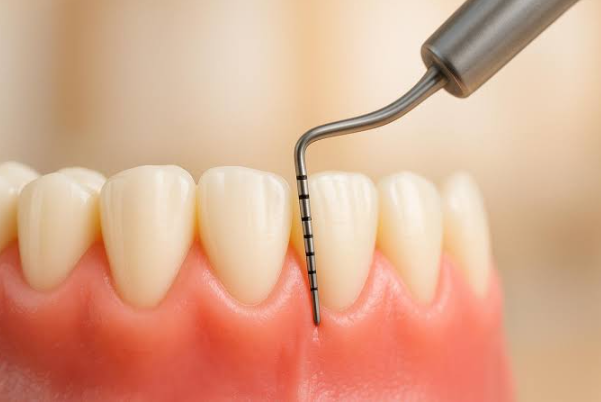
Measuring gum attachment levels is not the same thing as just checking whether your gums bleed. Your dentist measures the space between the tooth and the gum, often called a pocket, and also looks at where the gum line sits on the tooth. That matters because pocket depth alone can miss the full picture. If your gums have receded, a pocket may not look dramatic, but you may still have lost attachment.
Gum attachment measurement helps show the true history of damage around each tooth. Think of it as a way to track whether the foundation is holding steady or slowly slipping. Healthy gums usually fit snugly around teeth. When plaque and bacteria stay near the gum line, the tissue can become inflamed. Over time, that inflammation may damage the ligament and bone that hold the tooth in place.
If you have ever been told, “Your pockets are mostly fine,” and then heard a separate comment about recession, this is why. A tooth can have recession and attachment loss even if one number alone does not sound alarming.
See also: Understanding NSF Standards and Certification
Periodontal probing numbers can feel confusing because they only tell part of the story
The small ruler used during an exam is called a periodontal probe. It measures pocket depth in millimeters. That number matters, but it is only one piece. Bleeding on probing, gum recession, bone levels on X rays, plaque buildup, smoking history, diabetes, clenching, and home care habits all shape what those numbers mean for you.
Here is where people often get frustrated. You brush every day, maybe even floss most nights, and then you hear that a few areas are 4 or 5 millimeters. It can feel like you failed. That is not always the case. Some people are more prone to inflammation. Some have old dental work that traps plaque. Some have dry mouth from medication. Some had mild disease for years with no pain at all.
According to the National Institute of Dental and Craniofacial Research gum disease overview, gum disease can range from mild gingivitis to periodontitis, where bone and connective tissue are damaged. The MedlinePlus page on gum disease also notes that symptoms may be subtle early on, which is one reason regular measurement matters so much.
Attachment loss often progresses quietly until daily life starts to change
Most people do not book a visit because they noticed attachment loss. They come in because their gums bleed, food gets stuck more often, their teeth look longer, or their breath seems harder to manage. Sometimes nothing feels different at all, and the only sign is a change on a chart from one visit to the next.
That quiet progression is what makes measuring gum attachment levels so useful. It gives your dentist a baseline. If one area changes from stable to active breakdown, treatment can focus there before the damage spreads. The CDC information on periodontal disease explains that gum disease is common and can increase with age, especially when risk factors are present.
What if you ignore the numbers because nothing hurts? That is when small problems become expensive ones. Deep cleanings, more frequent maintenance visits, localized antibiotic therapy, gum grafting, or tooth replacement can all enter the picture later. Not every deeper reading means severe disease, but repeated attachment loss deserves attention.
Home checks help you notice symptoms, but professional gum level assessment is more accurate
You can watch for clues at home, but you cannot reliably measure your own attachment levels. A mirror may show recession, redness, or swelling. Floss may catch and shred near a filling. You may notice bleeding around the same tooth every week. Those signs matter, but they do not replace a gum level assessment by a general and cosmetic dentist or hygienist.
| What You Notice or Do | What It Can Tell You | What It Cannot Confirm |
|---|---|---|
| Bleeding when brushing or flossing | Inflammation may be present | How much attachment or bone has been lost |
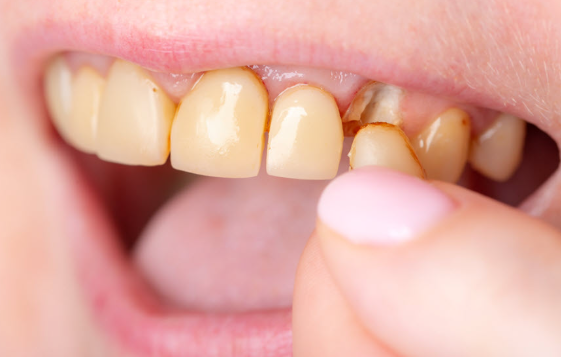
| Gums look lower on the teeth | Recession may be happening | Whether pocketing is also present under the gum line |
| Bad breath or bad taste | Bacteria buildup may be increasing | Which teeth or sites are actively breaking down |
| Professional probing and X rays | Pocket depth, recession, bleeding, bone support, trend over time | Whether home care will improve without your daily follow through |
Small changes in gum support respond better to early action
Track your numbers. Ask for the pocket depths and whether any sites show recession or bleeding. You do not need a lecture. You need a clear picture of what is stable, what has changed, and which teeth need extra attention.
Clean the areas that actually trap plaque. Generic advice often misses the real problem spots. If you have crowded lower front teeth, a bridge, implants, or tight contacts, ask for a tool and technique matched to that area. A water flosser, interdental brush, or floss threader may work better than standard floss alone.
Keep the follow up interval your dentist recommends. If you are told to return sooner than six months, it is usually because your gums need closer monitoring, not because someone wants to overbook you. A three or four month periodontal maintenance schedule can slow or stop progression in patients with ongoing risk.
Clear information makes gum disease easier to manage
The numbers from a gum exam are not there to scare you. They are there to show whether the support around your teeth is holding or slipping. When you understand what attachment levels mean, you can make better choices early, before the treatment gets heavier and the cost climbs with it.
If you have been told you have recession, deeper pockets, or early periodontitis, do not wait for pain to make the decision for you. Schedule a visit with a general and cosmetic dentist and ask for a full review of your gum measurements, risk factors, and next steps.