ByJohn A
Why Certain Tooth Surfaces Are More Vulnerable To Root Decay
You brush, you floss when you can, and then a dental visit turns up decay near the gumline. That can feel unfair, especially if you have been trying to do the right things. Root decay often shows up in places people do not expect, and it tends to move faster than the more familiar kind of cavity on the chewing surface of a tooth. The short version is simple. When gums recede and root surfaces become exposed, those areas lose the protection of enamel and become easier targets for bacteria, dry mouth, plaque buildup, and frequent sugar or acid exposure. In some cases, patients exploring broader restorative options, including one day dentures in orange country, may also learn that preventing root decay is an important part of protecting their long-term oral health.
Why Certain Tooth Surfaces Are More Vulnerable To Root Decay comes down to structure, location, and daily wear. The root surface is covered by cementum and dentin, not thick enamel. Those tissues are softer, which means decay can start sooner and spread faster. If plaque sits along the gumline, or if brushing around crowns, bridges, or crowded teeth is hard, the risk climbs quickly. According to the National Institute of Dental and Craniofacial Research’s tooth decay overview, tooth decay happens when bacteria in the mouth produce acids that damage tooth structure. On a root surface, that damage has less distance to travel.
Exposed root surfaces create a faster path for decay
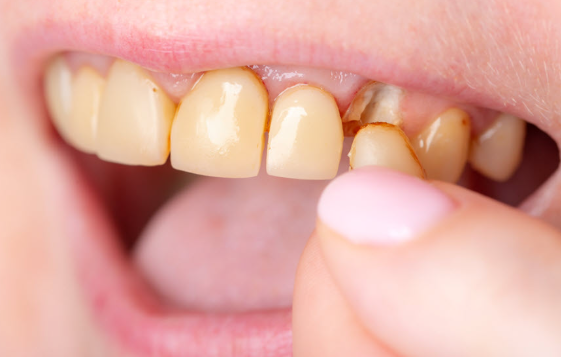
Enamel is the hard outer shell most people think of when they picture a tooth. The root does not have that same shield. Once gum recession exposes the root, bacteria can settle into a surface that is rougher and softer. That is one reason root surface cavities can develop in adults who never had many cavities before.
You may notice the pattern already. The teeth that collect plaque near the gumline, the spots behind lower front teeth where tartar forms, or the outer surfaces that are harder to reach when brushing with a sore wrist or a rushed routine often become the trouble zones. If you have fillings, crowns, or bridgework, those edges can also trap plaque. The issue is not carelessness. It is that some surfaces are simply more exposed and less protected.
Dry mouth makes this worse. Saliva helps wash away food particles, buffer acids, and support repair after acid attacks. When saliva drops because of medication use, aging, mouth breathing, or certain health conditions, root surfaces stay under stress for longer periods. That is one reason adults with otherwise decent habits can still develop decay on tooth roots.
Gum recession and plaque retention increase root cavity risk
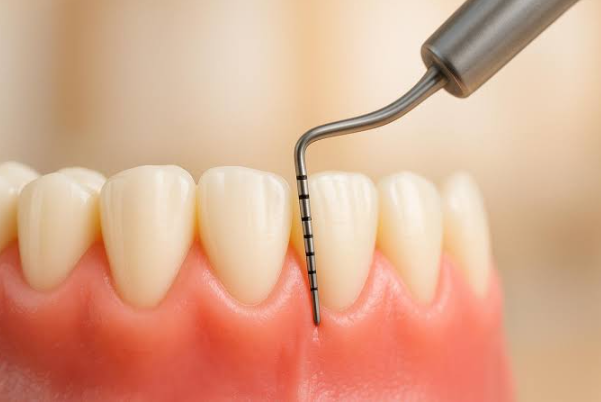
Gum recession is one of the clearest reasons certain tooth surfaces become more vulnerable. Recession can happen from gum disease, brushing too hard, clenching, smoking, or simple changes that come with age. Once the gum pulls back, the root is no longer hidden. A surface that was never meant to face the full force of the mouth suddenly has to deal with plaque, acids, temperature changes, and abrasion from brushing.
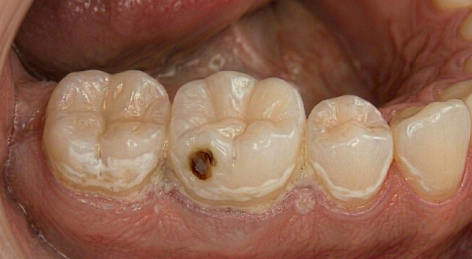
The location matters too. Areas near the gumline tend to hold plaque longer, especially if teeth are crowded or if dental work creates tiny ledges. Think about a lower molar with a slight recession area on the cheek side. It is easy to miss in the mirror, easy to skim past with a toothbrush, and it may not hurt until the damage is already established. That is how root decay often gains ground quietly.
Population data supports how common oral disease remains. The CDC oral health surveillance findings show that cavities and tooth loss still affect many adults in the United States. Root decay is part of that larger picture, especially in people with exposed roots, gum disease history, or reduced saliva.
Different tooth surfaces face different levels of risk
Not every part of every tooth carries the same risk. Chewing surfaces can get cavities, but root surfaces behave differently because the tissue is softer and the attack often begins right where plaque likes to sit.
| Tooth Surface | Why It Is Vulnerable | Common Real World Trigger |
| Root surface near the gumline | No enamel protection, softer dentin and cementum | Gum recession and plaque buildup |
| Between teeth near exposed roots | Hard to clean, plaque stays trapped longer | Inconsistent flossing or tight contacts |
| Areas around crowns or fillings | Margins can hold bacteria if not cleaned well | Rough edges, aging restorations, limited dexterity |
| Lower front teeth on the tongue side | Tartar forms easily and can irritate gums | Saliva ducts nearby and plaque mineralization |
| Outer surfaces of back teeth with recession | Easy to miss during brushing | Brushing angle, crowded teeth, sore gums |
This is where general dental care matters. A root decay treatment plan is often much simpler when the problem is found early. Fluoride, improved home care, diet changes, and small restorations can often manage the issue before it reaches the nerve or weakens the tooth.
Small daily habits can either protect or expose root surfaces
The same coffee sipped over hours, the same dry mouth from a prescription, the same skipped flossing around one bridge tooth can shape where decay forms. Sugar is not the only problem. Frequency matters. If teeth are exposed to acids and carbohydrates all day, the mouth never gets enough recovery time. On a root surface, repeated attacks can create damage quickly.
There is also a financial side to this that catches people off guard. Root cavities can start small and still lead to bigger treatment if they spread under the gumline or around older dental work. A filling is one thing. A crown, root canal, or extraction is another. Catching these spots early usually means simpler care, lower cost, and less stress.
Three practical steps can lower your risk right away
1. Focus your brushing at the gumline. Use a soft toothbrush, angle the bristles toward the gumline, and slow down around areas with recession, crowns, or sensitivity. Aggressive scrubbing can wear roots down further, so gentle and thorough beats hard and fast.
2. Treat dry mouth as a real cavity risk. Sip water often, ask your dentist whether your medications may be reducing saliva, and use fluoride products recommended for cavity prevention. If your mouth feels sticky at night or you wake up dry, that is worth mentioning at your next visit.
3. Get exposed roots checked before they hurt. Root decay does not always cause pain early. If you can see longer teeth, notice sensitivity near the gumline, or catch food around one area over and over, schedule a visit with a general dentist. Early treatment is usually easier on both the tooth and your budget.
If you have been told you have recession or early decay near the roots, you are not overreacting by taking it seriously. These surfaces are more vulnerable for clear, physical reasons, and they respond best when the problem is caught early. A general dentist can identify which spots are at risk, protect exposed roots, and help you keep small issues from turning into bigger ones.