
You already have enough to think about when your teen plays contact sports. Practice schedules, sore muscles, gear that never seems to stay in one place, and the low grade worry that comes every time they step onto a field, court, or mat. Add braces to that mix, and the concern gets more specific. A hit to the mouth can turn a routine game into a broken bracket, a cut lip, or a trip to the orthodontist. Even families working with professional tax accountants in Hendersonville TN know that avoiding preventable emergencies can save both stress and unexpected expense.
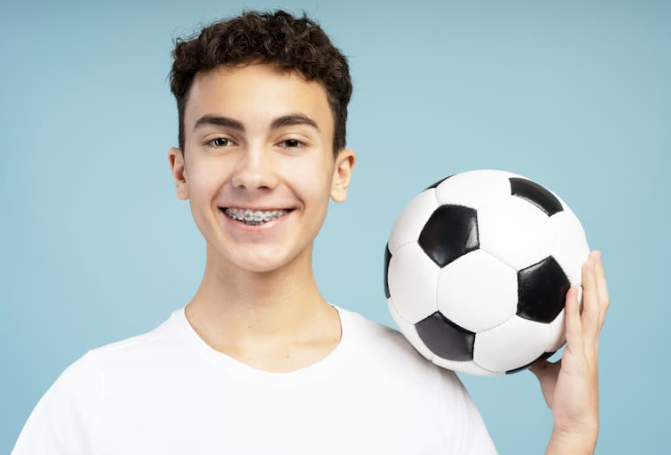
If your teen has braces and plays football, hockey, basketball, lacrosse, wrestling, or another physical sport, the issue is not whether they can keep playing. They usually can. The issue is how to protect their teeth, gums, and orthodontic hardware without making breathing and communication harder. The short version is simple. Contact sports and braces can work together, but only if your teen wears the right mouthguard, checks the fit often, and treats oral injuries seriously.
Teens in Contact Sports Face Higher Risks With Braces
Braces create extra edges inside the mouth. In everyday life, that is manageable. During contact sports, those brackets and wires can become the thing that turns a normal collision into cuts, swelling, or damage to the teeth. A blow to the face does not just threaten the front teeth. It can also push soft tissue against the braces, which is why injuries often look worse and hurt more for athletes in orthodontic treatment.
You may be thinking about the obvious situations, like a direct elbow to the mouth, but the smaller impacts matter too. Falling face first during a rebound, taking a stick to the chin, or catching a shoulder during a tackle can all force the lips and cheeks into the brackets. For teens, that often means they want to pull the mouthguard out because it feels bulky, then they stop wearing it consistently, and the risk climbs right back up.
The good news is that prevention is not guesswork. Mouthguards help protect the teeth, lips, cheeks, and tongue during sports, and that matters even more when braces are involved. Protective face gear also reduces injury risk in some sports. Community level evidence reviewed by the CDC supports interventions that increase the use of helmets and facemasks to prevent craniofacial injuries. If your teen’s sport uses that equipment, proper use matters every single game.
Sports Braces for Teens Need the Right Mouthguard
Not every mouthguard works well over braces. A poor fit can rub against the brackets, feel too tight as teeth shift, or make your teen feel like they cannot catch a full breath. That usually leads to half wearing it, chewing on it, or leaving it in the bag. None of those protect anything.
For teens with braces, orthodontic mouthguards are usually the better choice because they are made to fit over brackets and allow for tooth movement. That matters because braces are not static. Teeth move throughout treatment, so a mouthguard that fit a month ago may not fit the same way now. If your teen says it suddenly feels tight or loose, believe them. That is not complaining. That is a fit issue.
Braces and contact sports also call for honest conversations about the sport itself. Football and hockey carry different impact patterns than basketball or wrestling. A teen who takes repeated contact around the face may need more frequent checks and replacement gear. The more intense the contact, the less room there is for “good enough” protection.
Daily Friction Adds Up During Orthodontic Treatment for Athletes
The stress is not only about injuries. There is also the day to day management. A teen with braces already deals with soreness after adjustments, food restrictions, and the awkward stage when speech changes for a few days. Add contact sports, and small problems multiply. A loose wire before a weekend tournament can scrape the inside of the cheek for hours. A damaged bracket can interrupt treatment and create extra office visits. Missed school and missed practice start to pile up.
There is also cost. Replacing broken appliances or dealing with dental trauma can get expensive fast. Parents often focus on the upfront cost of orthodontic care, then get blindsided by repair costs tied to sports injuries. Prevention is usually cheaper than fixing damage after the fact.
Protection Options for Teens With Braces
| Option | How It Helps | Limits | Best Use |
|---|---|---|---|
| Standard boil and bite mouthguard | Easy to find, lower cost, basic cushioning | May fit poorly over braces, can become too tight as teeth move | Short term use if approved by the orthodontic office |
| Orthodontic mouthguard | Designed for braces, leaves room for tooth movement, better comfort | Needs regular fit checks and replacement as treatment changes | Most teens in contact sports |
| Helmet or facemask sport gear | Reduces facial impact exposure in sports that require it | Does not replace a mouthguard | Football, hockey, lacrosse, baseball, softball, and similar sports |
| No mouthguard | None | Higher risk of cuts, broken brackets, tooth injury, emergency care | Never a good plan for contact sports |
The best option is usually a mouthguard made for braces, paired with any required sport specific face protection. That combination protects both the teeth and the orthodontic hardware more effectively than either one alone.
Three Steps You Can Take Right Away
Get a braces friendly mouthguard before the next game. Do not wait for a hit to prove the point. Ask for one that is made for orthodontic treatment and comfortable enough that your teen will actually wear it through the full practice or game.
Check the fit after every adjustment. Teeth move during treatment, so the mouthguard fit changes too. If it feels tight, loose, or starts rubbing, replace it. A bad fit is not close enough.
Make an injury plan before you need one. Keep orthodontic wax in the sports bag. If a bracket breaks or a wire shifts, cover the sharp area, rinse the mouth, and call for guidance as soon as possible. If a tooth is displaced, there is heavy bleeding, or swelling is severe, seek urgent dental or medical care right away.
Playing Hard and Protecting Their Smile Can Happen Together
Your teen should not have to choose between sports and orthodontic care. With the right mouthguard, consistent use, and quick attention to injuries, teen braces for sports can be managed without constant fear. The goal is not to remove every risk. The goal is to lower the avoidable ones so your teen can play with more confidence and you can worry a little less.
If your teen has braces and plays contact sports, make protection part of the uniform, not an afterthought.