ByJohn A
Does Skin Thickness Affect Rhinoplasty?
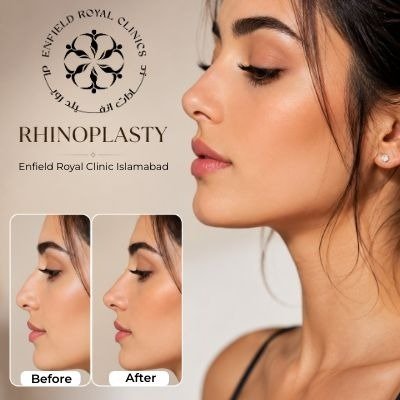
Rhinoplasty is a frequent surgical procedure used to improve facial balance, reshape the nose, and occasionally treat functional breathing problems. While many people focus on the shape of the nasal bones and cartilage, skin thickness is an important factor to consider when considering a Rhinoplasty in Islamabad. Surgeons are placing an increasing emphasis on customized treatments in 2026 because every patient has a different nasal shape and skin characteristics. The healing process of the nose and the visibility of the underlying structural changes might be affected by the thickness of the skin. At Enfield Royal Clinics Islamabad, patients can undergo a personal evaluation to find out how their skin type might impact the results of their rhinoplasty.
Why Does Skin Thickness Matter in Rhinoplasty?
The skin and soft tissue envelope cover the cartilage and bone beneath the nose. During rhinoplasty, the surgeon adjusts these structures to get the proper shape. The thickness and suppleness of the skin determine how well it adapts to those changes. The following can be impacted by skin thickness:
- How defined the nasal tip appears.
- How quickly swelling decreases.
- How visible structural changes become.
- The overall appearance of the final result.
- the realistic level of refinement that is possible.
How Does Thick Skin Affect Rhinoplasty?
The cartilage and bone are frequently covered in more soft tissue in patients with thicker nose skin. Subtle structural alterations may become less noticeable as a result, especially in the area of the nose tip. Additionally, thicker skin may retain edema longer following surgery. Patients may therefore need to wait longer to see their final nasal form. This does not preclude persons with thick skin from having a successful rhinoplasty. Alternatively, the surgeon might have to employ methods that establish a suitable framework beneath the skin and offer more robust structural support.
What About Thin Skin?
Thin nasal skin makes structural alterations easier to see. When precise definition is the aim, especially near the tip, this may be advantageous. Thin skin, however, can also highlight tiny flaws, asymmetries, or abnormalities. Because of this, when shaping and smoothing the underlying structures, surgeons must exercise extra caution. Patients with thin skin should be aware that precision surgical technique and meticulous planning are necessary to get a natural-looking outcome.
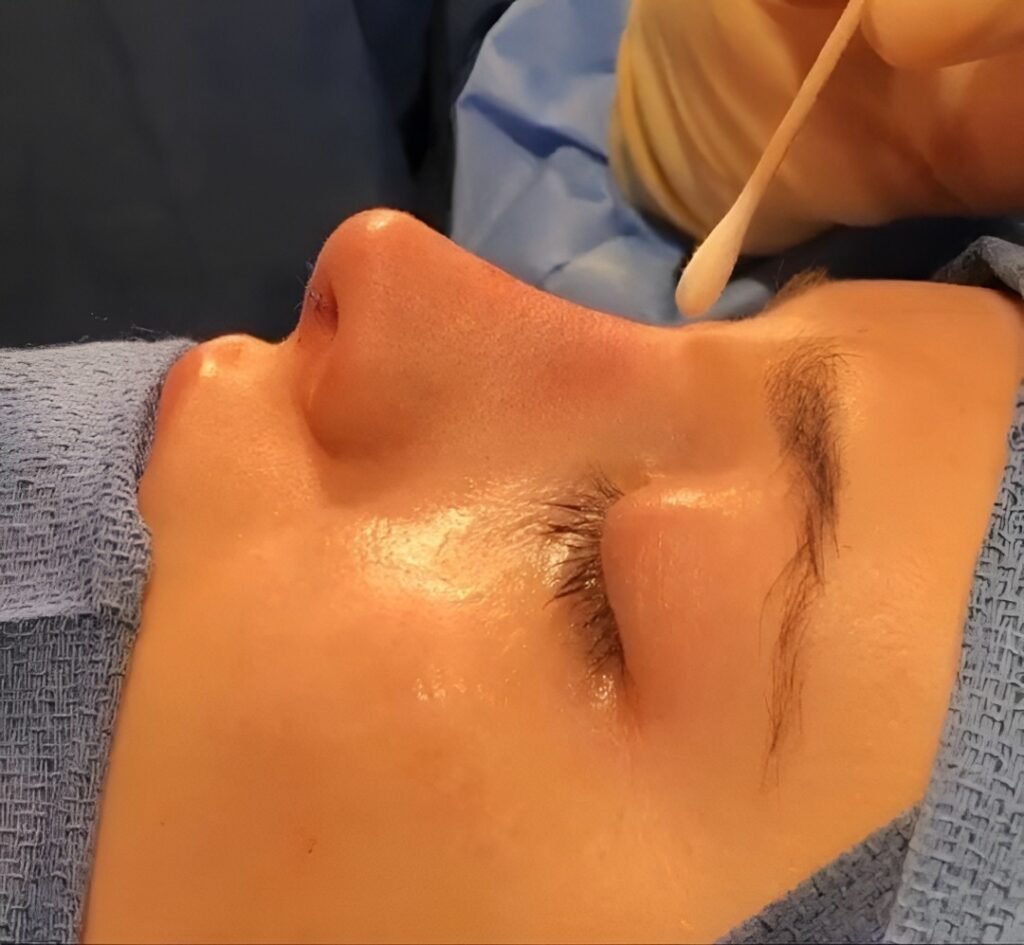
What Is Medium-Thickness Skin?
Medium-thickness skin generally provides a balance between definition and coverage. It may allow structural changes to become visible while providing enough soft-tissue coverage to create a smooth appearance. But the results of a rhinoplasty depend on more than just skin thickness. Additionally significant are cartilage strength, nasal structure, skin elasticity, face proportions, and the patient’s response to healing.
Does Skin Thickness Affect Recovery?
Yes. The rate at which edema resolves during rhinoplasty might be influenced by skin thickness. Long-term swelling, especially at the tip of the nose, may occur in patients with thicker skin. Patients with thin skin may observe definition more quickly, but edema and little abnormalities may occasionally be more apparent. Recuperation takes time, regardless of skin type. After surgery, the nose may continue to progressively change for several months.
Can Surgeons Reduce the Effect of Thick Skin?
A surgeon cannot simply remove large amounts of nasal skin to make it thinner. Doing so can create complications and may affect the appearance and function of the nose. Instead, a robust and well-supported nasal framework can be created by surgeons using the proper structural procedures. The skin can adjust to the new form with careful surgical planning. Additionally, patients should refrain from having irrational expectations. Rather than producing a whole new nose, rhinoplasty aims to improve harmony and proportions.
What Factors Besides Skin Thickness Affect Results?
Although skin thickness plays a significant role, other factors also play a role. Other elements consist of:
- Nasal bone structure.
- Cartilage strength.
- Nasal tip anatomy.
- Skin elasticity.
- Previous nasal surgery.
- Healing response.
- Surgical technique.
- Patient’s age and general health.
- Post-operative care.
Can Thick-Skinned Patients Get a Defined Nasal Tip?
It is possible to increase nasal-tip definition in people with thick skin. However, the quantity of soft tissue covering the cartilage and the underlying structure determine the degree of definition. Patients should be aware that some of the structural elements made after surgery may be softened by thick skin. When planning a procedure, a competent surgeon can take this into consideration.
Read Also: How Technology Is Advancing Environmental Monitoring
Consultation and Rhinoplasty Planning
One of the most crucial steps prior to rhinoplasty is a consultation. The skin, nasal bones, cartilage, respiratory function, facial proportions, and prior medical or surgical history may all be examined by the surgeon during the evaluation. Patients should also discuss:
- Their desired changes.
- Previous nasal injuries or surgeries.
- Breathing concerns.
- Expected recovery.
- Potential risks.
- Realistic results.
Cost of Rhinoplasty in Islamabad
The cost of rhinoplasty can vary from PKR xyz to PKR xyz. The cost also depends on these factors:
- Surgeon’s experience and expertise.
- Complexity of the procedure.
- Type of rhinoplasty technique.
- Post-operative care.
- Greater self assurance.
People Prefer Enfield Royal Clinic Islamabad, Why?
For rhinoplasty, selecting a skilled surgeon and a suitable clinical facility is crucial. Patient-centered care and customized treatment planning are the main priorities of Enfield Royal Clinics Islamabad. Patients may consider us for:
- Personalized nasal assessments.
- Individualized surgical planning.
- Modern cosmetic treatment approaches.
- Professional consultations.
- Detailed recovery guidance.
- Focus on balanced, natural-looking outcomes.
Conclusion
Although skin thickness can affect recovery, the visibility of structural changes, and the outcome of rhinoplasty, it does not determine a person’s chances of success. While thin skin may require very precise surgical methods, thick skin may require patience and the right kind of structural support. In the end, the outcome is influenced by nasal anatomy, surgical planning, recovery, and reasonable expectations. Enfield Royal Clinics Islamabad can assist you in understanding your skin features and creating a treatment plan that is appropriate for your unique facial structure and objectives if you are thinking about having a rhinoplasty in 2026.